


One of the most common foot conditions is foot fungus, also known as mycosis.According to medical research statistics, several types of this skin and nail plate lesion have been identified.
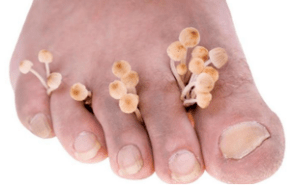
When fungus appears, the most important thing is to consult a doctor immediately so you have time to protect your body and those around you from the bacteria.
What does foot fungus look like?
Many people have heard of fungal disease, a disease that affects almost 80% of the population, but few have personally encountered the problem.In some cases, infected people simply don't pay attention to symptoms and may not start treatment on time, leading to disastrous consequences.But in addition to the infected body, people around him may also be affected.
You can use photos to study in more detail the stages of localization of bacteria on a person's feet, but it should be noted that in addition to visual effects, different symptoms appear depending on the degree of infection in the body.
The initial signs of foot fungus may not be obvious, but burning, itching, and small areas of redness may be signs that the fungus is becoming active.
The next stage is more serious and involves the feet and nail plates.Nails begin to change (yellowing, thickening).Additionally, small white streaks and spots may appear on the nails, which is usually a good reason to consult a doctor for a diagnosis.

The final stage is severe peeling of the skin, the nail slowly starts to move away from the hole, and sores and sores may develop.All this leads to complete destruction of the upper layer of the epidermis and internal cracks begin to be exposed.
This is what foot fungus looks like at each stage of development.As you can see from the photos, the consequences can be tragic, with subsequent fungal damage to the nail plate and feet.
fungus on toes
A fungal infection of the skin between the fingers is called athlete's foot, and the fungus itself is called tinea pedis.This fungus is acquired through contact with someone who is already infected or by using someone else's hygiene products.
disease symptoms
- The skin between the fingers becomes very dry and brittle, with small scales appearing;
- The appearance of small pustules with fluid on the skin, and if one of them ruptures, an unpleasant sensation will appear on the skin;
- The nail plate changes and its structure becomes more fragile;
- A bad odor may appear on socks and shoes due to the manifestations of the fungus; this is quite sharp and specific.
Depending on the degree of development of the fungus, epidermophytosis can be divided into four stages:
- Weak phase.At the first sign of peeling skin on your feet, you should consult a dermatologist immediately.These are the first signs of fungus.Further development of the bacteria occurs on the fingers, between the fingers and on the nails.The following symptoms are redness on the skin, small cracks on the heels and feet, itching and burning at the site of greater localization of the disease.
- Squamous hyperkeratosis.The squamous hyperkeratotic phase of the disease is caused by slight swelling of the skin of the feet, which also provokes severe peeling of the feet and skin between the toes. The severe itching and burning sensation spreads to the entire area of the feet, including the nails.The color of the nail plate changes from light yellow to gray, which causes the top layer of the nail plate itself to be destroyed.hyperkeratosis stageSymptoms of the fungus include the following: A rash on the skin of the feet with red to blue blisters that then flake off severely and cause pain when walking.If you don't see a doctor, the rash can synergize and become a serious source of infection.The entire process is accompanied by a bad smell coming from the feet.
- intermittent periodIt is characterized by deep cracks in the heel, accompanied by pain, and the development of erosive ulcers.The pain worsened significantly, causing the patient to be unable to stand normally.
- Sweating difficulty periodIt is characterized by small pustules that develop at an extremely rapid rate, covering the entire area of the foot and toes in just a few days.Pustules can open on their own, causing red erosions.The wound may release a small amount of fluid after the skin dries slightly.

The main thing is that when fungus appears on the legs, immediately understand the symptoms and promptly consult a dermatologist.Symptoms of fungus and a visual inspection should give a clear idea of what's going on in your legs.But you shouldn't start self-medicating, as this often leads to ineffective results that can make the condition more severe.
In order to develop the correct treatment plan, doctors need to understand the developmental stages of the fungus and determine the type of pathogen.But before that happens, the patient must receive a diagnosis, after which the full picture of the disease's course becomes clear.
How to Treat Foot Fungus
It should be remembered that depending on the stage of the disease, a treatment plan will be developed and must be comprehensive.Before starting treatment with topical medications, it is necessary to relieve the inflammatory process and keratinization.
To help get rid of unwanted fungal bacteria, you should know the proper procedures:
- Creams, ointments, solutions, varnishes should be used for external application;
- Mandatory antifungal medication;
- If severe burning and itching occur, purchase a sedative to relieve pain symptoms;
- Since your immune system is weakened when fighting fungi, you'll need to take a series of vitamins and minerals that will help your body fight the infection with greater strength;
- If an infectious disease occurs at the same time, the dermatologist will prescribe a course of antibiotic treatment.
In order to determine the specific medication, the dermatologist must understand the full picture of the course of the fungal disease; the age of the infected person, the reaction of the fungus to certain medications, and the extent of infection in the foot area must be taken into consideration.
Most medical reference books clearly show all the stages of foot fungus development in the form of photographs, along with descriptions of symptoms so that one can independently identify them.After visual inspection and comparison with photos of the course of the fungal disease, the patient should immediately seek medical help from a specialist.